African Grey Parrot Babies for Sale
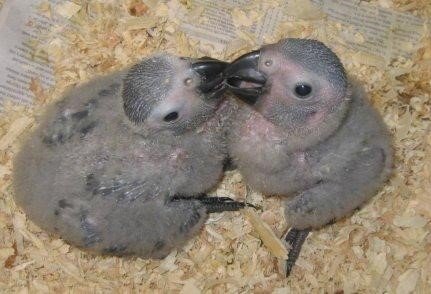
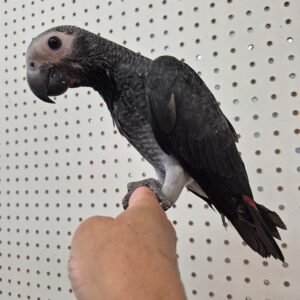
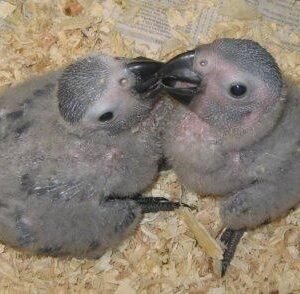
Looking for healthy, hand‑raised African Grey Parrot babies for sale from a trusted local pet shop? Our store specializes in well‑socialized African Grey chicks, plus everything you need to care for them, from food and cages to toys and training support.
African Grey Parrot Babies for Sale Near You
At our pet shop, all African Grey Parrot babies are:
Captive‑bred and obtained from trusted, ethical breeders.
Health‑checked by an avian veterinarian before being offered for sale.
Weaned or in a safe, supervised weaning process so they are eating well on their own.
Socialized with people to help them grow into friendly, confident companions.
When you visit our store, you can:
See each African Grey baby in person and observe its behavior.
Ask our staff questions about personality, age, diet, and previous care.
Get help choosing the right bird, cage, and starter kit for your home.
African Grey Parrot Baby Training Tips for Beginners
Training starts the first day you bring your new African Grey home. A well‑trained baby becomes a loving, manageable adult bird.
Beginner‑friendly tips you can highlight:
Start with the “step up” command onto your hand or a perch.
Keep training sessions short (5–10 minutes) and repeat them several times a day.
Reward good behavior with small treats and calm verbal praise.
Speak gently and move slowly to build trust and reduce fear.
Never shout or hit; punishment creates fear and biting.
Care Requirements and Daily Needs of African Grey Parrot Babies
African Grey babies are intelligent, sensitive birds that need daily attention and structure. This is where your pet shop expertise becomes valuable.
Key daily care needs to describe:
Social interaction: Talk to your bird, offer out‑of‑cage time, and let it be part of the family’s daily routine.
Sleep: Aim for about 12–14 hours of quiet, dark rest each night. A cage cover works well.
Hygiene: Clean food and water dishes every day and remove droppings and leftover food from the cage.
Mental stimulation: Provide toys, foraging activities, and regular training to keep their intelligent mind busy.
Safety: Keep your bird away from kitchen fumes, aerosols, ceiling fans, and other household dangers.
Legal Requirements to Own an African Grey Parrot
Because African Grey Parrots are protected in many countries, buyers should understand basic legal and ethical responsibilities.
Explain clearly on the page:
African Greys may require proof that they were legally, captive‑bred (often with paperwork from the breeder or relevant authorities).
Transporting parrots across borders or states can be regulated and may require additional documents.
Responsible pet shops only work with legal, ethical suppliers and will provide the documents customers need to show the bird’s legal origin.
Average Lifespan and Common Health Issues
African Grey Parrots are a long‑term commitment, and your pet shop can stand out by educating buyers about this.
Points to cover:
African Greys can live several decades in captivity with proper care, diet, and vet support.
Poor nutrition, lack of mental stimulation, and stress can lead to health and behavior problems.
Common concerns include feather plucking (often stress‑related), obesity from seed‑heavy diets, and calcium‑related issues.
Regular checkups with an avian veterinarian are strongly recommended.
Recommended Diet and Feeding Schedule for African Grey Parrot Babies
After weaning, a recommended diet typically includes:
A high‑quality pelleted diet as the main food.
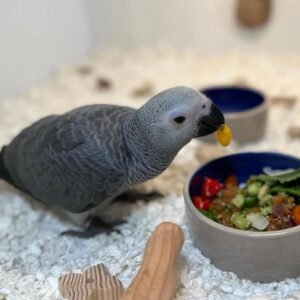
A variety of fresh vegetables (for example, leafy greens, carrots, peas) and small amounts of safe fruits.
Limited nuts and seeds as treats or training rewards, not as the main diet.
Fresh, clean water available at all times.
You can also share a simple, beginner‑friendly feeding routine:
Morning: Fresh pellets plus chopped vegetables.
Afternoon: Small portion of pellets or training treats during interaction.
Evening: Pellets refreshed and leftover fresh foods removed.
Best Cage Size and Enclosure Setup for African Grey Parrot Babies
Key recommendations:
Choose a spacious cage designed for medium to large parrots, not small bird cages.
Ensure safe bar spacing appropriate for African Greys so the bird cannot get its head stuck.
Provide multiple perches of different diameters and textures to exercise the feet.
Add chewable toys, foraging toys, and swings to keep the bird active and engaged.
Place the cage in a bright, busy room where the family spends time, away from drafts and kitchen fumes.
African Grey Parrot Babies Breeding and Reproduction Facts
African Greys only reach breeding maturity after several years and should not be bred as babies.
A typical clutch has multiple eggs that need weeks of incubation and very careful care.
Breeding requires large aviaries, expert knowledge, and regular vet support, so it is not recommended for beginners.
FAQ About Buying an African Grey Parrot Baby from Our Pet Shop
How much does an African Grey Parrot baby cost at your pet shop?
Prices vary depending on age, breeding, and whether the bird is DNA‑sexed and fully weaned. Visit or contact our store for current availability and pricing.
What should I look for when choosing a baby African Grey?
Look for a bright, alert bird with clear eyes and nostrils, clean feathers, and good balance. Our staff will help you observe each chick and pick one that suits your family and experience level.
Do you provide health records and documents?
Yes, we provide available health records and any breeder or legal paperwork so you know your bird has been responsibly sourced.
What do I need before bringing my African Grey baby home?
We recommend having a suitable cage, perches, food and water bowls, toys, the right diet, and a quiet spot for the cage. Our team can help you put together everything in one visit.
Are African Grey Parrot babies good for first‑time bird owners?
They can be a wonderful choice for dedicated beginners who are ready to learn, spend time daily with their bird, and commit for the long term. Our staff will explain the responsibilities so you can decide if an African Grey is right for you.
Can I get help after I buy my African Grey?
Yes. Customers are welcome to call or visit the shop for ongoing advice on diet, behavior, toys, and cage upgrades as the bird grows.
Reviews
There are no reviews yet.