Magpies for Sale
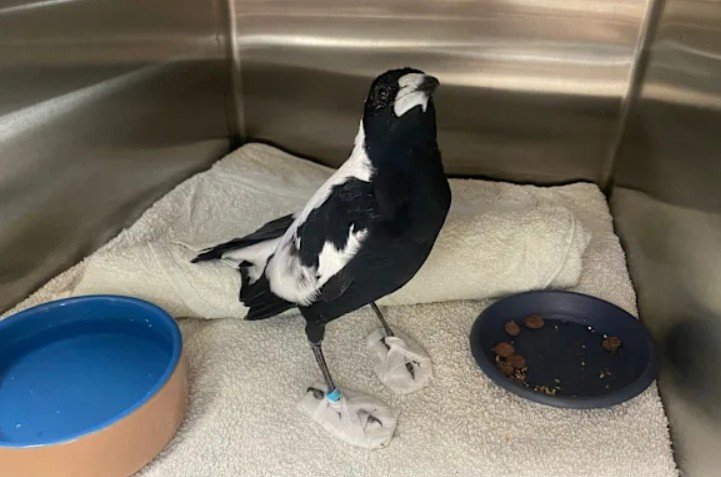
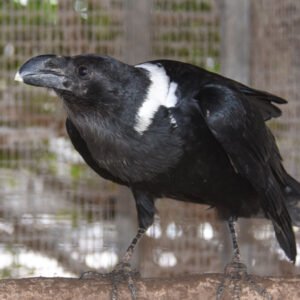
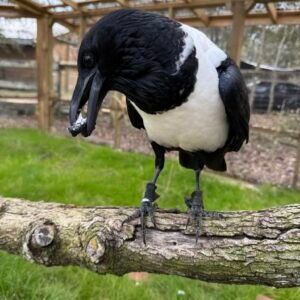
Beautiful Magpies For Sale available for experienced bird keepers. Intelligent, social, and striking black-and-white plumage. These birds are alert, active, and raised with proper care.
✔ Healthy and well cared for
✔ Strong, bright, and active
✔ Suitable for spacious aviaries
✔ Serious inquiries only
Magpies Explained: Behavior, Meaning, Species, Attacks & 10 Fascinating Facts
Magpies are among the most intelligent and misunderstood birds in the world. People often search questions like: What are magpies known for? Are magpies good birds to have around? Why do magpies have a bad reputation? What is a Pica bird? Magpies For Sale ?

This comprehensive guide answers all of those questions while exploring magpie species, symbolism, behavior, and the truth about magpie attacks.
What Are Magpies Known For?
Magpies are best known for three key traits:
- High intelligence
- Bold territorial behavior
- Striking black-and-white plumage
Most magpies belong to the corvid family (Corvidae), the same family as crows and ravens. Corvids are widely considered some of the smartest birds on Earth.
One of the most recognized species worldwide is the Eurasian magpie, often called the “Pica bird” because of its scientific name Pica pica.
Magpies are known to:
- Recognize individual human faces
- Use problem-solving skills
- Work cooperatively in family groups
- Defend their nests aggressively during breeding season
Their intelligence rivals that of many mammals.
Are Magpies Corvids?
Yes — most magpies are true corvids.
Common corvid magpie species include:
- Eurasian magpie
- Black-billed magpie
- Yellow-billed magpie
- Azure magpie
However, not all birds called “magpie” are corvids.
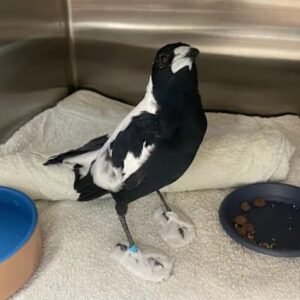
The Australian magpie is not part of the crow family. Despite its similar black-and-white coloring, it belongs to a different bird family (Artamidae). This is why many people ask, “Why are magpies not corvids?” — the answer depends on which species you’re referring to.
Magpie Species Around the World
There are several magpie species across Europe, Asia, Australia, and North America. The most notable include:
1. Eurasian Magpie (Pica pica)
Found across Europe and parts of Asia. Known for its iridescent blue-green tail.
2. Black-billed Magpie (Pica hudsonia)
Common in North America with distinctive long tail feathers.
3. Yellow-billed Magpie (Pica nuttalli)
A rare species native to limited regions and recognized by its bright yellow bill.
4. Azure Magpie (Cyanopica cyanus)
Known for its vibrant blue coloring and social flocks.
5. Australian Magpie (Gymnorhina tibicen)
Famous for its melodious song and seasonal swooping behavior.
Each species has unique characteristics, but they share intelligence and adaptability.
Magpie Behavior: Intelligence and Social Structure
Magpie behaviour is one of the main reasons these birds fascinate scientists.
1. Problem-Solving Skills
Magpies can:
- Solve multi-step puzzles
- Use tools
- Adapt quickly to urban environments
Research has even shown that the Eurasian magpie can recognize itself in a mirror — a rare trait shared with only a few animal species.
2. Social Bonds
Magpies are highly social birds. They:
- Form strong pair bonds
- Often mate for life
- Raise young cooperatively
- Live in family groups
Juvenile magpies may remain with parents for extended periods before establishing their own territory.
3. Vocal Communication
Magpies use complex vocalizations to:
- Warn of predators
- Signal territory ownership
- Communicate within family groups
The Australian magpie is especially known for its rich, flute-like song.
Why Do Magpies Have a Bad Reputation?
Magpies have developed a mixed reputation over centuries due to behavior and folklore.
1. Nest Raiding
Magpies sometimes eat eggs or chicks of smaller birds. While this is natural predator behavior, it has contributed to their “villain” image.
2. Territorial Swooping
The Australian magpie is famous for swooping at people during breeding season. This defensive behavior is temporary and usually occurs when someone enters nesting territory.
3. Superstitions
In folklore, magpies have been linked to both good and bad luck. A well-known rhyme says:
In some traditions, magpies symbolize misfortune. In others, they represent intelligence and good fortune.
Despite their reputation, magpies are not aggressive by nature — they are protective parents.
Magpie Bird Attack: Why Do They Swoop?
“Magpie bird attack” is a highly searched topic, especially during breeding season.
Swooping occurs because:
- A nest is nearby
- Chicks are present
- The bird perceives a threat
Important facts about magpie swooping:
- Usually performed by males
- Lasts only a few weeks
- Often targeted at specific individuals
- Rarely causes serious injury
Magpies can remember faces. If someone previously disturbed a nest, they may be remembered the following season.
Simple precautions during swooping season:
- Avoid nesting areas
- Wear protective headgear
- Walk calmly without waving arms
Swooping is a protective instinct — not random aggression.
Are Magpies Good Birds to Have Around?
Yes, in many ways.
Benefits of Magpies:
- Natural Pest Control
They eat insects, grubs, and small pests. - Carrion Cleanup
They help remove dead animals from the environment. - Ecosystem Balance
They contribute to biodiversity. - Urban Adaptability
They thrive in parks, gardens, and cities.
While they can be territorial, magpies are generally beneficial members of local ecosystems.
Magpies Bird Meaning & Symbolism
Magpies carry powerful symbolism in many cultures.
Common symbolic meanings include:
- Intelligence
- Communication
- Adaptability
- Duality (black and white coloring)
- Luck or fate
In some cultures, seeing multiple magpies is considered a positive sign. In others, magpies represent curiosity and cleverness.
Their symbolism often reflects their intelligence and bold personality.
Male vs. Female Magpies
People frequently search “magpies birds female” to understand gender differences.
In many species:
- Males and females look similar
- Males may be slightly larger
- Females incubate eggs
- Both parents feed chicks
In the Australian magpie, males often have brighter white markings on the back compared to females.
What Is a Pica Bird?
The term “Pica bird” refers to magpies in the genus Pica, especially the Eurasian magpie.
The word “pica” comes from Latin and means magpie. It also relates to the word “pica” in psychology, referring to unusual cravings — inspired by the magpie’s reputation for collecting various objects.
10 Fascinating Facts About Magpies
- Magpies are among the most intelligent birds in the world.
- Some species can recognize themselves in mirrors.
- They remember individual human faces.
- Many magpies mate for life.
- They build large, dome-shaped nests.
- Their diet includes insects, fruit, small animals, and carrion.
- Young magpies may stay with parents for extended periods.
- They adapt well to cities and suburban areas.
- Not all magpies are corvids (the Australian magpie is not).
- They play a vital ecological role in pest control and cleanup.
Why Magpies Matter
Magpies are more than noisy black-and-white birds. They are intelligent, socially complex, and ecologically important.
Although they sometimes receive criticism due to swooping behavior or folklore myths, the reality is that magpies are:
- Protective parents
- Skilled problem-solvers
- Valuable ecosystem contributors
- Fascinating subjects of scientific study
Understanding magpie behaviour helps shift their reputation from “aggressive nuisance” to “intelligent native bird.”
Final Thoughts
Magpies are bold, brilliant, and often misunderstood. Whether you’re researching magpie species, wondering about magpie attacks, or exploring their symbolic meaning, one thing is clear: these birds are among the most intelligent and adaptable in the avian world.
From the Eurasian magpie to the distinctive Australian magpie, magpies continue to captivate scientists and bird enthusiasts alike.
Reviews
There are no reviews yet.